
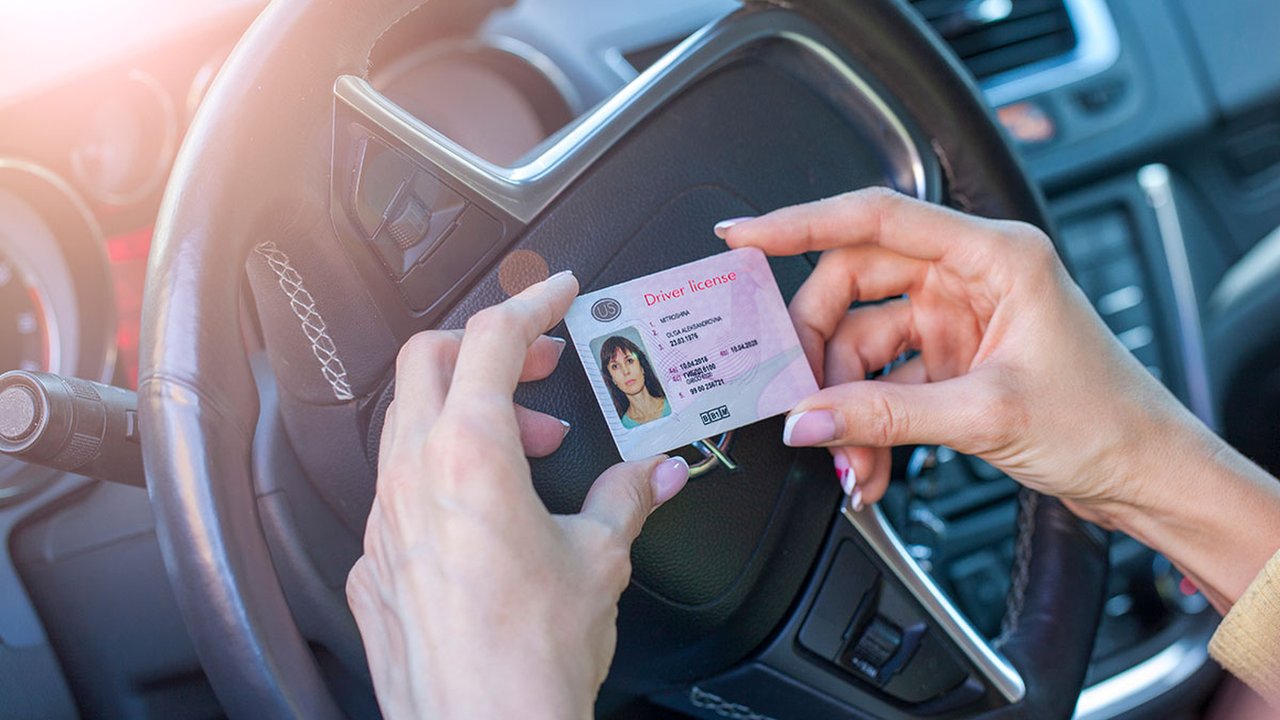
Vermont Address & Name Change
Vermont law requires drivers to notify the Vermont DMV of any address or name change within 30 days. The address update is free and can be done online through the myDMV portal; a name change requires a counter visit at a Vermont DMV branch with the supporting legal document.
Address change deadlines
Vermont gives drivers 30 days from the date of move to update both the driver's license and the vehicle registration. The 30 days runs from the day you actually move into the new address — not the day you sign the lease or the day you register to vote. Failure to update can produce administrative consequences (renewal notices and registration cards going to the old address), insurance complications (rates are tied to garaging address), and missed court notices that can convert routine tickets into default judgments.
How to change your address online
The fastest route is the myDMV online portal:
- Log in with your Vermont driver's license number and your date of birth or PIN.
- Select "Change of Address."
- Enter the new address (street, town, ZIP).
- Confirm the address against the U.S. Postal Service database the system checks.
- Submit. The address updates on your driver's license record and on every vehicle registered in your name.
Online changes process the same business day. The DMV does not mail a new license or registration card after an online address change — the change is recorded but your current credentials remain valid until they otherwise expire and are renewed.
Address change at a branch
If you'd like a new license card or registration with the updated address printed on it (rather than waiting for the next renewal), visit any Vermont DMV branch and request a duplicate. The fee for a duplicate license is $22, and a duplicate registration is roughly $8. Bring two proofs of new Vermont residency (utility bill, lease, voter registration, etc.) dated within the last 60 days.
Moving into Vermont from another state
If you're moving into Vermont, you have 60 days to apply for a Vermont driver's license and to register your vehicle. New residents bring their out-of-state license and the documents listed for a first-time Vermont license: identity proof, SSN proof, and two proofs of Vermont residency. The DMV accepts your out-of-state license in lieu of the knowledge and road tests in most cases — you'll surrender the old credential at the counter.
Moving out of Vermont
When you move out of state, surrender your Vermont plates either at a branch or by mail. Plates stay with you in Vermont, not the vehicle — so the new state will issue its own. Surrendering the plates also closes your Vermont registration account and stops any further notices from the DMV. Don't forget to cancel Vermont auto insurance after the new-state policy is in force.
Name change after marriage or divorce
To change your name on a Vermont license, you must visit a branch in person with one of the following:
- Certified marriage license/certificate (for marriage-based name change).
- Certified divorce decree showing the court-approved name restoration.
- Certified court order for any other legal name change.
Bring the original document — the DMV photocopies and returns the original. The branch issues a new license with the updated name, takes a new photo (if your existing photo is more than 4 years old), and prints a new card. The fee is the same as a duplicate license, around $22. The Social Security Administration will need to update your SSA record before the DMV will accept the new name on a REAL ID credential.
Updating other Vermont records
After the DMV name change, update:
- Vehicle title and registration — bring the old title and registration to a branch for re-issue.
- Voter registration with the Vermont Secretary of State.
- Auto insurance — let your carrier know so the policy and ID cards reflect the new name.
- Bank, employer, and IRS records — the IRS must show the new name before tax season to avoid issues.
Vehicle title and registration changes
A name change requires the vehicle title to be updated as well. Bring the original title, the legal name-change document, and the registration card to the DMV branch. The DMV issues a new title with the updated name; if there's a lien, the lender is notified. Plate numbers and registration expiration dates carry over — only the name on the documents changes.
Common pitfalls
Forgetting to update the address before registration renewal is the most common mistake — renewal notices go to the old address and the driver finds out the registration expired only after a traffic stop. Renewal notices also include the safety inspection due date; missing the notice can cascade into both registration and inspection lapses.