
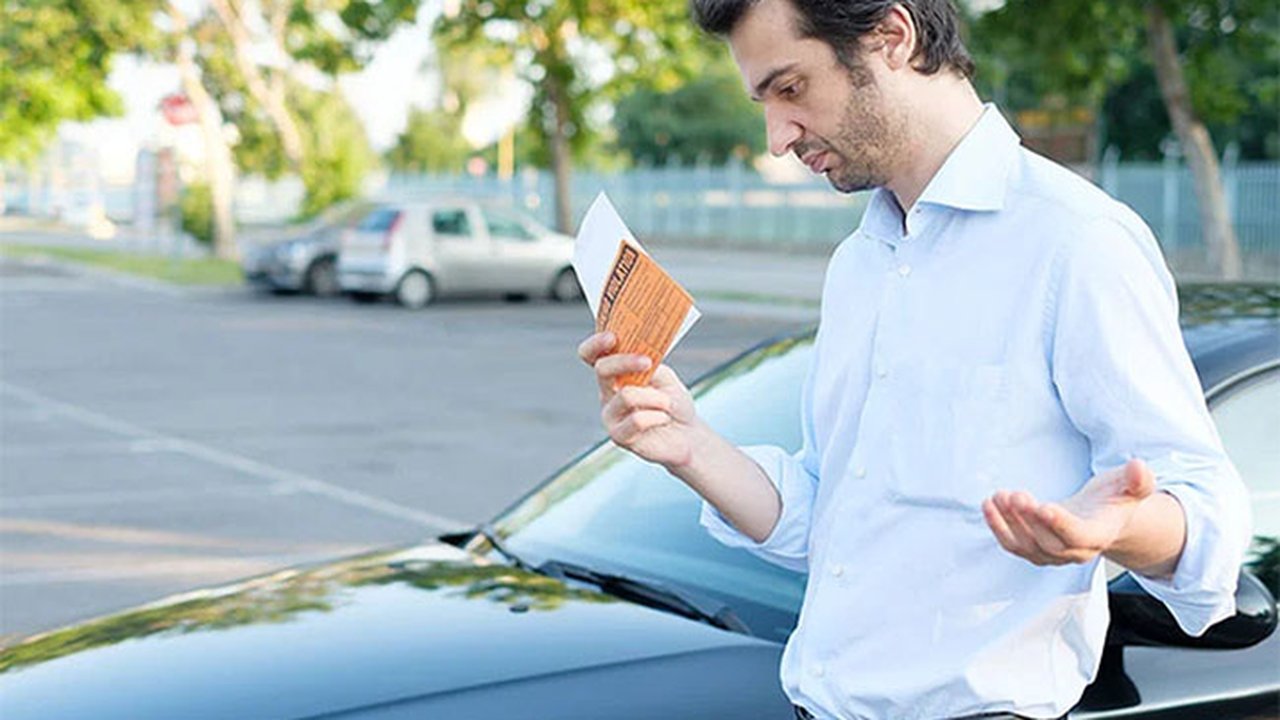
Vermont Traffic Tickets
Most Vermont traffic infractions are civil violations processed by the Vermont Judicial Bureau rather than the criminal court system. The Judicial Bureau handles routine speeding tickets, equipment violations, and similar offenses. Serious offenses — reckless driving, DUI, driving while suspended — are charged criminally in district court.
What you'll get when you're stopped
A Vermont officer hands you a Civil Violation Complaint at the roadside. The form lists the offense, the statute cited, the fine amount, the response deadline (usually 20 days), and how to plead. The driver signs the complaint as acknowledgment, not as an admission of guilt — signing only confirms you received the ticket.
Your three response options
Within 20 days you must:
- Admit and pay — pay the listed fine through the Judicial Bureau (online, by mail, or by phone). The conviction goes on your Vermont driving record with the assigned points.
- Admit with explanation — pay the fine but submit a written statement of mitigating circumstances. Same conviction outcome on the record.
- Deny and request a hearing — check the "deny" box and mail the form back. The Judicial Bureau schedules a hearing in your county.
Failing to respond within 20 days results in a default judgment, the full fine plus a default surcharge, and a hold on your Vermont driver's license until the ticket is resolved.
Pay your ticket online
The Vermont Judicial Bureau accepts online payments at the state's e-services portal using your ticket number and a credit or debit card. Payments process the same day. A small convenience fee applies to credit-card payments. Paying online is the fastest way to close the matter, but remember that paying = pleading guilty — the conviction goes on your record with the listed point value.
Contest a ticket at the Judicial Bureau
If you check the deny box, the Judicial Bureau schedules a hearing typically 6-12 weeks out. The hearing is held before a hearing officer (not a jury) at the county court. The state's burden is "preponderance of the evidence" — a lower bar than the criminal "beyond a reasonable doubt" standard. The officer who wrote the ticket attends and testifies; you can present your own evidence, witnesses, and arguments.
Common defenses that work in Vermont: speed-radar calibration challenges, GPS or dashcam evidence contradicting the officer's account, mistaken identity (especially with multiple-vehicle traffic), and mechanical defenses (you couldn't have committed the act for technical reasons). Hiring an attorney is uncommon for routine speeding tickets but makes sense for tickets that would push you over the 20-point threshold or affect your CDL.
Fines
Vermont speeding fines scale with how far over the limit you were:
- 1-10 mph over: roughly $118 base fine plus surcharges.
- 11-20 mph over: $200-$250.
- 21-30 mph over: $300+.
- More than 30 mph over: $500+, with potential criminal charge for excessive speed.
Equipment violations, registration violations, and insurance violations carry separate fine schedules listed on the Vermont Judicial Bureau's website. Failure to display a current safety inspection sticker is a common Vermont equipment violation.
Out-of-state drivers
If you receive a Vermont ticket as an out-of-state driver, you can still pay or contest through the Judicial Bureau by mail or online — you don't have to return to Vermont for a routine ticket. If you contest and request a hearing, you'll need to appear in person at the Vermont county where the ticket was written, or hire local counsel to appear on your behalf. Vermont reports convictions back to your home state through the Driver License Compact, so the points (or equivalent) transfer to your home record.
How tickets affect your insurance
Vermont insurers see traffic-ticket convictions through your driving record and use the data to set rates at policy renewal. A single minor speeding ticket may not move premiums noticeably; multiple tickets, or any major moving violation, will. Reckless driving and DUI convictions move drivers into a non-standard insurance market for years — see Vermont car insurance.
Criminal traffic offenses
Some traffic offenses are criminal, not civil:
- Reckless driving (23 V.S.A. § 1091).
- DUI (23 V.S.A. § 1201) — see Vermont DUI laws.
- Driving While License Suspended (Criminal).
- Leaving the scene of an accident with injury.
- Excessive speeding (more than 30 mph over the limit, in some circumstances).
Criminal traffic offenses go to district court, not the Judicial Bureau, and carry potential jail time, larger fines, and longer license consequences. Defendants in criminal traffic cases should consult an attorney.