
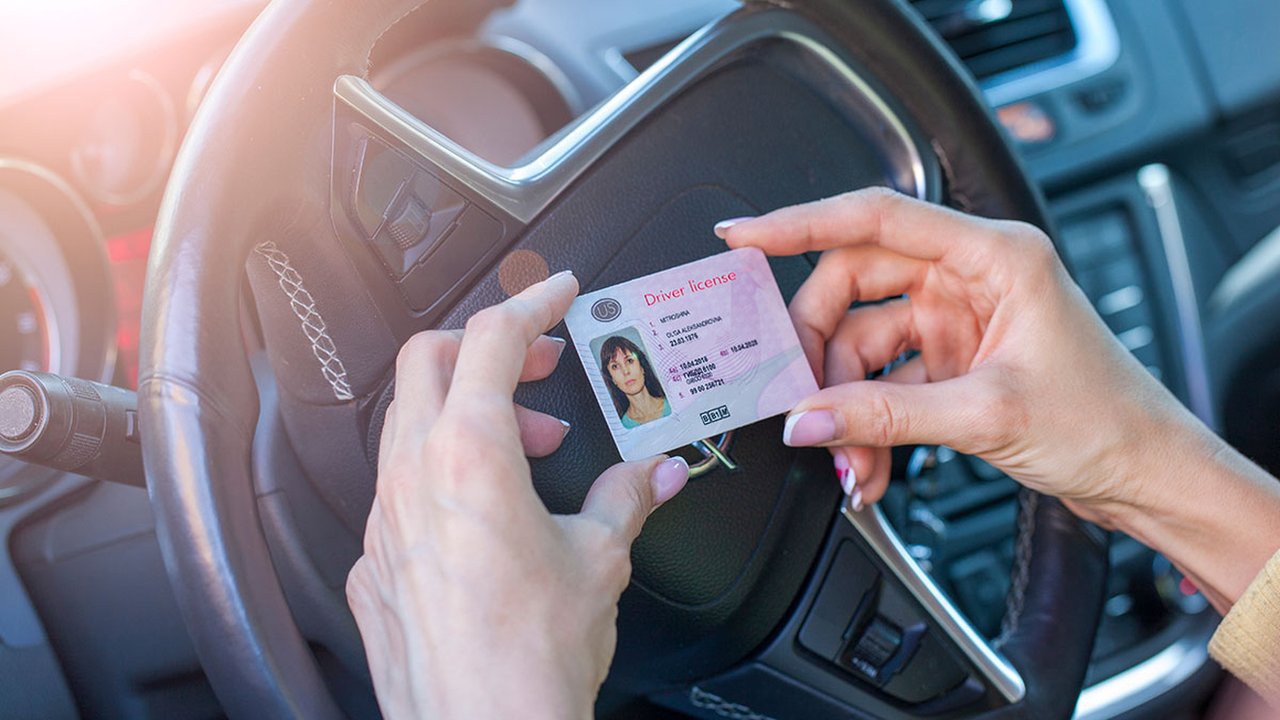
Virginia Teen Provisional License
Virginia's Graduated Driver Licensing program ends with a provisional license for drivers aged 16 years 3 months to 18. The provisional license carries the same driving privileges as a full Class D license except for two key restrictions — a passenger cap and a midnight curfew — that age out automatically when the holder turns 18 or completes one violation-free year.
Eligibility
A Virginia teen is eligible for a provisional license once all of the following are true:
- Age 16 years 3 months or older.
- Has held a Virginia learner's permit for at least nine consecutive months without convictions.
- Has logged 45 hours of supervised practice, of which 15 were after sunset, certified by a parent or guardian.
- Has completed both the classroom and in-car segments of approved driver education and holds a Driver Education Certificate (DEC-1).
- Has passed the Virginia DMV road skills test.
The juvenile court license ceremony
Virginia is one of a small number of states where teens under 18 receive their provisional license at a juvenile and domestic relations district court ceremony, not at the DMV office. After passing the road skills test, the teen and a parent attend a scheduled court date where the judge reads the licensing oath and presents the credential. The ceremony is short but mandatory; missing it delays issuance until the next scheduled date.
Passenger restriction
For the first 12 months of holding the provisional license — or until the driver turns 18, whichever comes first — Virginia limits passengers under 21:
- Months 1-12 (or until age 18): only one passenger under 21 at a time, unless the additional passengers are immediate family members (parents, siblings, stepsiblings, half-siblings sharing a household).
- After 12 months or upon turning 18: up to three passengers under 21 for the remainder of provisional status.
Midnight curfew
Virginia bars provisional license holders under 18 from driving between midnight and 4 a.m. with the following exceptions:
- Travel to or from a job (with documentation if asked).
- Travel to or from a school activity.
- Travel for a religious or volunteer activity.
- Driving accompanied by a licensed parent or guardian.
- Responding to a medical emergency.
Outside those exceptions, a violation of the curfew is a moving violation that adds demerit points to the teen's record and can extend the provisional period.
Cell phone and seat-belt rules
Virginia bans all cell phone use by drivers under 18, including hands-free, while operating any vehicle. Texting while driving is prohibited at any age. Every occupant of a vehicle driven by a provisional license holder must wear a seat belt — there is no exception for back-seat passengers, regardless of the general state law.
Convictions during the provisional period
A first moving-violation conviction during the provisional period requires the teen and a parent to attend a juvenile court hearing. The judge can suspend the license, assign a Driver Improvement Clinic, or extend the provisional period. A second conviction is presumed to result in suspension. Convictions for reckless driving, DUI, drag racing, or eluding police can produce immediate suspension and ASAP referral.
Graduating to a full license
The provisional license automatically converts to an unrestricted Virginia driver's license on the holder's 18th birthday — no DMV trip required. Drivers who maintain a clean record for 12 months and have already turned 17 may also have all restrictions lifted at that mark. The credential's expiration date does not change at the moment of conversion; the teen continues on the same 8-year cycle as covered in the Virginia driver's license guide.