
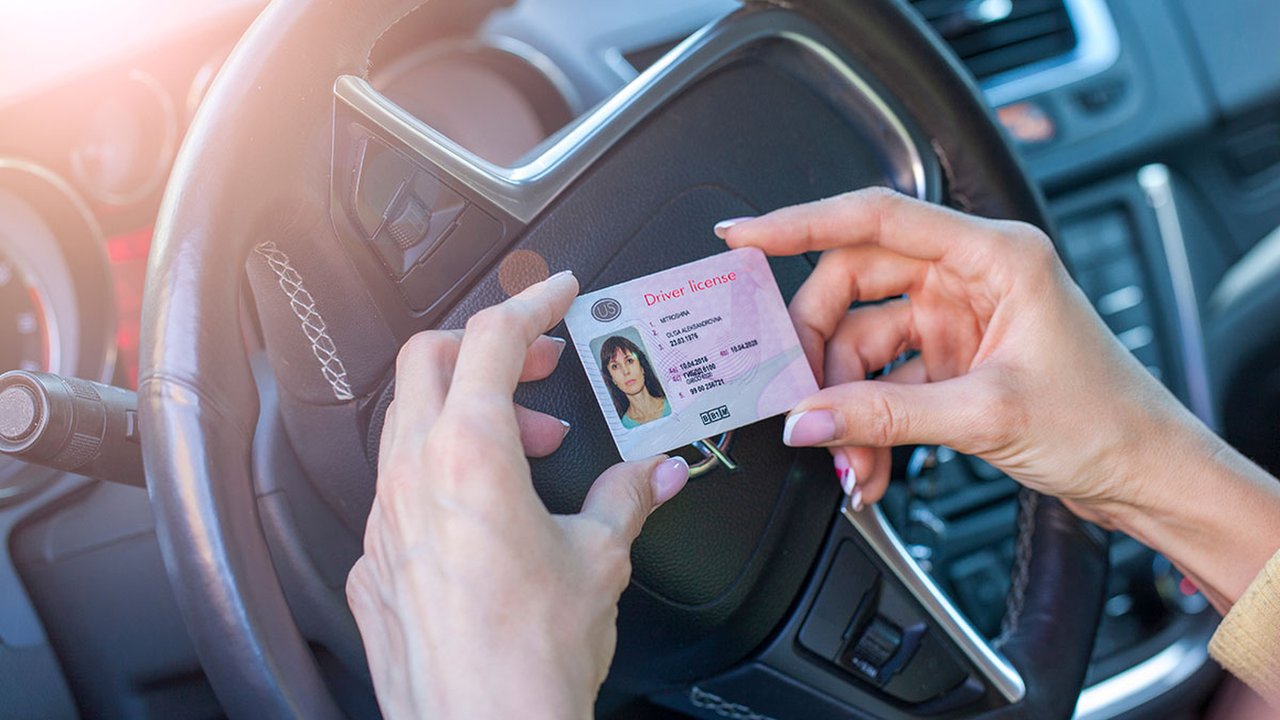
Arkansas Learner's License
Arkansas calls its first-stage driving credential the Learner's License, and the minimum age is 14 — one of the youngest in the country. The Learner's License is the first step in Arkansas's graduated driver licensing system, and it has to be held for at least six months before a teen can step up to an Intermediate License at 16.
Eligibility at age 14
To apply for an Arkansas Learner's License at 14, the teen must:
- Be at least 14 years old on the day of application.
- Pass a vision screening at the Office of Driver Services.
- Pass the standard written knowledge test of 25 questions with a minimum 80% score.
- Have a parent or legal guardian present to sign the financial-responsibility consent on the back of the DL-1A.
- Not have any unresolved driving-related convictions or court orders in any state.
The application uses the same Form DL-1A as the adult driver's license. The fee for the Learner's License is $40, and the credential is valid until the teen turns 18 unless they upgrade earlier.
Documents to bring
The teen and the parent should bring to the Arkansas DFA office:
- The teen's certified U.S. birth certificate or unexpired U.S. passport.
- The teen's Social Security card or a document showing the SSN.
- Two proofs of Arkansas residency in the parent's name (utility bill, lease, mortgage statement, bank statement, or insurance declaration).
- A current school enrollment letter or report card — Arkansas requires proof that drivers under 18 are enrolled and attending school satisfactorily.
- Photo ID for the parent or guardian who signs the consent.
Restrictions while holding the Learner's License
An Arkansas Learner's License is a practice credential, not a driving credential. While the teen has the Learner's License, they may drive only:
- With a licensed driver who is 21 or older seated in the front passenger seat.
- With no other passengers in the vehicle other than the supervising adult and immediate family members.
- Wearing a seat belt at all times.
- With no use of a wireless device, including hands-free operation, while the vehicle is moving.
Arkansas does not impose a formal night-driving curfew on the Learner's License the way some states do, but practice after dark is best done with the supervising parent until the teen is comfortable. The state recommends a minimum of 50 hours of supervised practice, including at least 10 hours at night, before the teen attempts the road test.
The six-month holding period
The Learner's License must be held for at least six months before the teen can apply for the Intermediate License at age 16. During those six months the teen has to keep a clean record — any moving violation conviction restarts the six-month clock from the date of the conviction. School-attendance verification is required again at the Intermediate License application.
What happens after six months
After the six-month holding period and on or after the teen's 16th birthday, the family returns to the Arkansas DFA office for the Intermediate License step. That stage requires a passed road test, the same DL-1A form (re-submitted), updated proof of school attendance, and the parent or guardian's renewed consent. The Intermediate License is also restricted — nighttime curfew between 11 p.m. and 4 a.m., no more than one unrelated passenger under 21 — until the teen graduates to a full unrestricted license at 18 or at 17 with completed driver education.
Common mistakes Arkansas families make
The most common reasons families lose time on the Learner's License step:
- Forgetting the school-enrollment proof. Arkansas's "no pass, no drive" provision requires every teen applicant to be enrolled and meeting attendance.
- Bringing a parent who does not match the residency proofs. The signing adult should be on the utility bill or lease.
- Letting the teen sit the written test without a session of focused study. Arkansas's pass rate on first attempts hovers near 60%.
- Driving the teen to the office without proof of the family's car insurance if a road test will be attempted that day.