
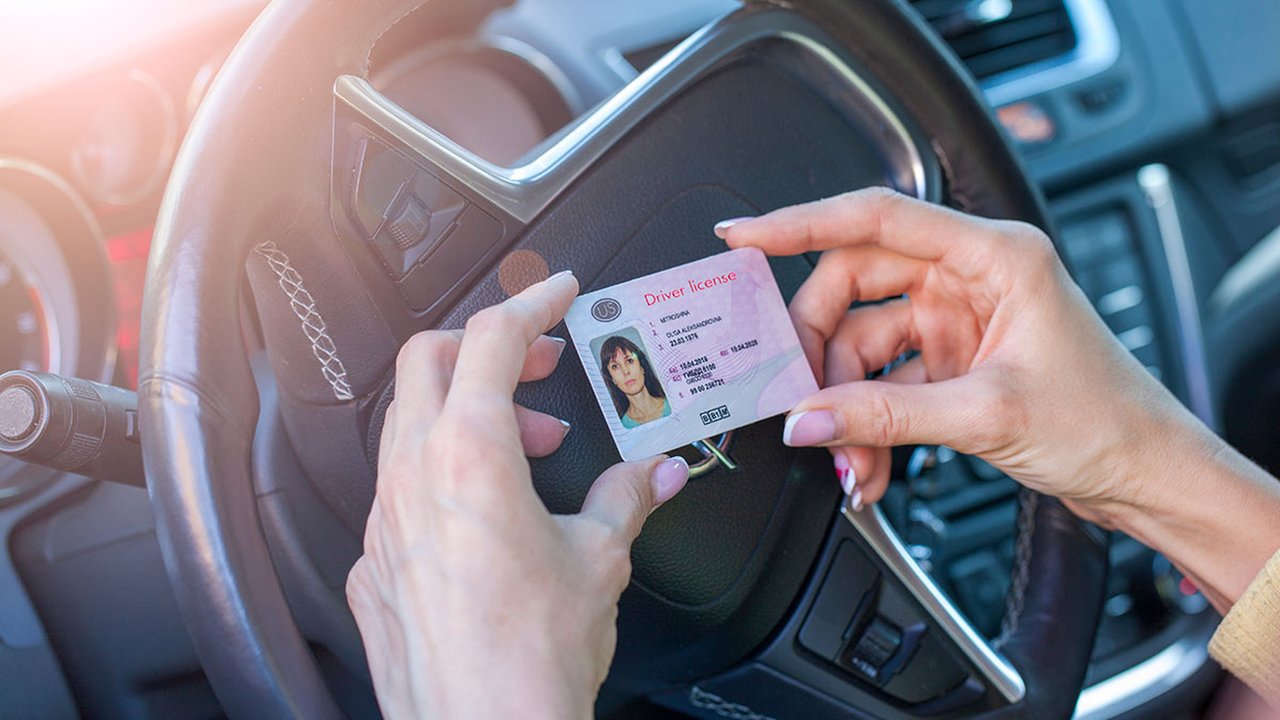
Utah Teen Intermediate License
Utah uses a graduated driver license framework that splits the teen years into three steps: learner permit, intermediate license, and full unrestricted license. The middle step — the intermediate stage — carries the strictest supervisory rules, and it's where most parent-driver friction happens.
Eligibility for the intermediate license
To move from a learner permit to an intermediate license in Utah, the applicant has to satisfy four conditions:
- Be at least 16 years old.
- Have held the learner permit for at least 6 consecutive months with no traffic conviction during that window.
- Have completed a state-approved driver education course (classroom and behind-the-wheel).
- Have logged 40 hours of supervised driving, with at least 10 hours at night, on a driving log signed by a parent or guardian.
The applicant brings the signed log, the driver education completion certificate, and parental consent to the road skills exam at a testing-equipped Driver License office. After passing, the intermediate license is issued and replaces the permit.
Restrictions during the intermediate stage
The intermediate license is a real driver license — the holder can drive solo and run normal day-to-day errands — but with three categories of restrictions in place until age 18 (or until the holder graduates to a full license under the violation-free clause described below):
- Passenger limit: for the first 6 months on the intermediate license, the only passengers allowed under age 21 are the holder's immediate family members. Friends and classmates do not qualify until the 6-month restriction lifts.
- Nighttime curfew: the intermediate license holder may not drive between midnight and 5 a.m. unless going to or from work, school, or a religious activity, or accompanied by a parent or guardian.
- Wireless device ban: a teen driver under 18 may not use a hands-free device, hands-on phone, or any wireless communication device while driving, except in a genuine emergency.
Graduating to a full license
Most Utah teens carry the intermediate license until age 18 and then automatically convert to a full unrestricted Class D license at the next renewal. There's a faster path: if the intermediate holder maintains a violation-free record for 6 consecutive months after issuance, the passenger limit lifts and the curfew lifts after age 17, even before the 18th birthday. Any moving violation conviction during the intermediate stage restarts the 6-month clock.
Penalties for restricted-license violations
Driving outside the restrictions is treated as a moving violation under Utah Code 53-3-205 and produces points on the teen's driving record. A first violation usually leads to a written warning at a DLD parent-teen conference; a second violation can extend the restriction period and trigger required additional driver education. Underage drinking and driving — even a trace BAC — falls under Utah's Not-A-Drop law and revokes the intermediate license outright. See the Utah DUI laws page for the under-21 framework.
Insurance, points, and parents
Utah parents who sign the consent on form DLD-1 are not financially liable for the teen's driving in the same way some neighboring states require, but the practical reality is that most teen drivers are added as a listed driver on the parent's policy at renewal. Utah requires 25/65/15 minimum liability with $3,000 PIP, and a teen driver typically increases the household premium by 50-80% during the intermediate stage. Points accumulate on the teen's record under Utah's lighter point scale — see the Utah point system page for the 200-point hearing trigger and per-violation cap.
Common new-driver mistakes in Utah
The two issues that cause the most intermediate-stage suspensions are (1) carrying friends in the first 6 months under the passenger ban, often for after-school athletic carpools, and (2) driving home from late-night employment past midnight without the work documentation that exempts the curfew. The DLD's parent-teen conference, scheduled at any office, is a good way to walk through the rules together before they actually apply on the road.