
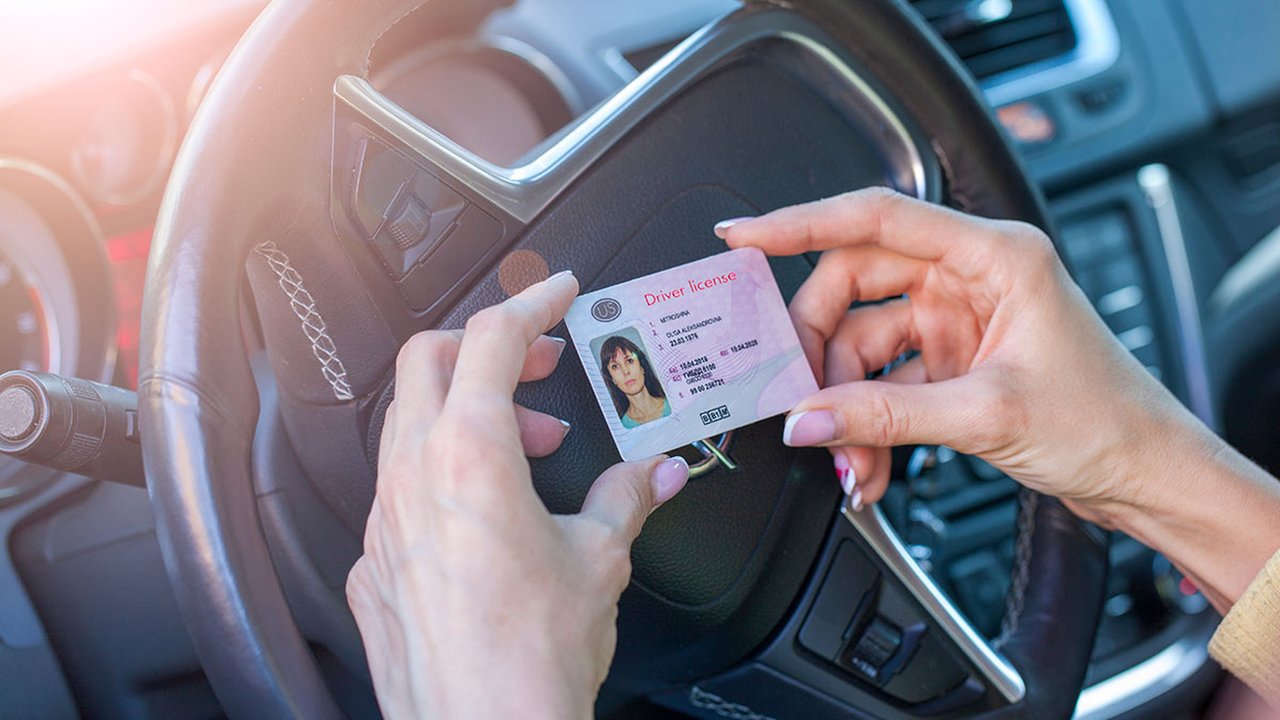
Utah DMV Guide
Utah is one of the few states that splits motor-vehicle work across two completely different parents. Driver licenses come from the Utah Driver License Division (Utah DLD), an arm of the Department of Public Safety. Vehicle titles, registration, and license plates come from the Utah Division of Motor Vehicles (Utah DMV), which sits under the Utah State Tax Commission. Knowing which agency owns the transaction in front of you is the first thing that prevents a wasted drive across the valley.
Utah is also the home of the strictest impaired-driving threshold in the United States. Effective at the end of 2018, the state lowered the per-se DUI limit for adult drivers to 0.05% BAC — significantly below the 0.08% standard used in every other state. Combined with a no-fault personal injury protection system that has been in place since 1974, an annual age-based Uniform Fee on registered vehicles, and a graduated license system that links the learner permit directly to driver-education enrollment, Utah produces a driving rulebook unlike any of its Mountain West neighbors.
Most routine work can be started online. The DLD operates a renewal portal with photograph reuse and address updates, while the Tax Commission's Motor Vehicle Portal handles registration renewals, title-status checks, and personalized plate ordering. In-person visits are still required for first-time licenses, REAL ID upgrades, out-of-state vehicle inspections, and any title transaction with a lien complication. Roughly 11 DLD offices and more than 50 DMV branches and partner sites are scattered along the Wasatch Front and into rural counties, with the heaviest demand in Salt Lake, Davis, Utah, and Weber.
Most-used Utah DMV transactions
Utah Driver License
The Class D license through the DLD: form DLD-1, the knowledge test, and the road-skills exam at a Driver License office.
Read more →Learner Permit
The first step at age 15 with concurrent driver-education enrollment, parental consent, and the Utah practice rules.
Read more →Teen Intermediate License
Utah's intermediate stage at 16: the 6-month permit hold, 40 supervised hours including 10 at night, and DE certificate.
Read more →License Renewal
Renewing a Utah driver license on its 5-year cycle: online eligibility, vision screening, and the REAL ID checkpoint.
Read more →Suspended License
Reinstating a suspended Utah license: SR-22, ignition-interlock conditions, and the DLD reinstatement fee.
Read more →Vehicle Registration
Registering through the Tax Commission: form TC-656, the 60-day deadline, sales tax, and the Uniform Fee schedule.
Read more →Registration Renewal
Renewing Utah tags online or at a county branch: emissions counties, On the Spot inspections, and the Uniform Fee.
Read more →Title Transfer
Transferring a Utah title between buyer and seller: TC-656, the $6 title fee, and odometer disclosure rules.
Read more →Title Replacement
Applying for a duplicate Utah title when the original is lost, damaged, or stolen, including lien-release handling.
Read more →Other Vehicle Registrations
Trailers, motorcycles, OHVs, RVs, antique plates, and street-legal ATVs through Utah DMV.
Read more →Driving Records
Requesting a CR-101 driver record: certified versus non-certified abstracts and how insurers and employers use each.
Read more →Utah DUI Laws
Utah Code 41-6a-502: the 0.05% adult threshold, 120-day revocation, IID requirements, and first-offense penalties.
Read more →Utah Point System
Utah's lighter point scale, the 200-point hearing trigger over three years, and per-violation caps under DLD rules.
Read more →Traffic Tickets
Paying or contesting a Utah ticket through Justice Court, plea-in-abeyance options, and defensive driving credit.
Read more →Car Insurance
Utah's 25/65/15 minimum liability, mandatory $3,000 PIP under no-fault rules, SR-22 timelines, and verification.
Read more →Address & Name Change
Updating a Utah license and registration after a move, marriage, or divorce through DLD and the Tax Commission.
Read more →
What's different about Utah
The 0.05% DUI threshold
Utah is the only state in the country where an adult driver can be convicted of DUI at 0.05% blood alcohol concentration. The lowered limit took effect on December 30, 2018, after years of legislative work and significant pushback from the hospitality industry. For most adults, that translates to roughly one drink less than the volume that would put them at the federal 0.08% mark. Commercial drivers operate at the 0.04% federal CDL threshold, and any detectable alcohol in a driver under 21 is grounds for the state's Not-A-Drop suspension. Utah's first-offense DUI penalties include a 120-day license revocation, mandatory ignition-interlock installation for any hardship driving, and a fine that typically lands between $700 and $1,690 with surcharges.
The DLD/DMV split
Driver licensing and vehicle registration sit in different state agencies in Utah. The Driver License Division operates field offices that handle every driver-credential transaction — written tests, road tests, REAL ID upgrades, and renewals. The Division of Motor Vehicles, attached to the Tax Commission, runs the registration system through county branches and partner offices. That structure also explains why Utah collects a portion of registration revenue alongside ordinary income and sales tax filings. New residents from one-stop DMV states often need both visits scheduled in the same week to drive legally on Utah plates.
The age-based Uniform Fee
Instead of charging a flat registration fee, Utah collects an age-based Uniform Fee in lieu of property tax on most passenger vehicles. The fee is highest in the first year of a vehicle's life — roughly $150 for a one-year-old vehicle in 2024 — and steps down each year on a schedule until it bottoms out at $10 for vehicles 12 years and older. Combined with a $44 base registration fee, a $1 uninsured motorist database charge, and a county air-quality fee in non-attainment areas, the total annual cost on a newer vehicle in Salt Lake County can easily clear $250.
Inspections by county
Utah no longer requires a statewide annual safety inspection on most non-commercial passenger vehicles — the legislature phased out that requirement, leaving safety inspection in place mainly for commercial fleets, salvage rebuilds, and vehicles entering Utah from out-of-state. Annual emissions inspection still applies in Salt Lake, Davis, Weber, Utah, Cache, and Box Elder counties for vehicles 1968 and newer, with a partial exemption schedule for older model years and electric vehicles. Drivers in non-emissions counties skip the test entirely.
Utah-specific forms you'll see
- DLD-1 — Application for Utah Driver License or Identification Card.
- TC-656 — Vehicle Application for Utah Title.
- TC-655 — Application for Replacement Plates and Decals.
- CR-101 — Application for a Utah Driver Record.
- TC-661 — Certificate of Inspection of Vehicle Identification Number.
Utah DLD and DMV office network
The DLD operates roughly 11 driver license offices, anchored by the Salt Lake, Farmington, Provo, Ogden, and St. George locations. Wait times spike during the back-to-school window in August and again at the start of the calendar year as REAL ID-driven traffic continues. The Tax Commission runs a smaller number of state DMV offices and partners with several county treasurers, especially in southern Utah, to provide a registration counter where driving distances would otherwise be punishing.
For routine renewals, Utah's online portals handle the work in minutes — including the popular On the Spot emissions-and-renewal stations operated by participating service stations, where the inspection result and registration renewal happen in a single visit. For first-time licenses, REAL ID upgrades, and any title transaction tied to an out-of-state vehicle, plan an in-person visit and bring proof of 25/65/15 liability with $3,000 PIP meeting Utah's minimum.